Burning ground incidents – safe disposal of explosives
By Dr Martin Held
The recently reported burning ground incident that also caused fatalities is a stark reminder that the explosive industry continues to repeat those incidents.
Looking at the SAFEX incident database, we observe an average of one burning ground incident per annum for the past decade. Looking at categories, burning ground incidents are one if not the major contributor to incident statistics.
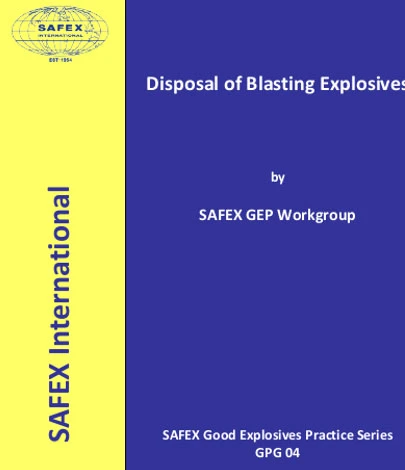
Almost a decade ago, SAFEX issued a Good Practice Guide on the Disposal of Blasting Explosives after a series of burning ground explosions that had occurred within our industry.
The GPG is looking in detail into burning ground operations, its hazards, controls, and design with a lot of visual examples of good and poor practices.
Even though when an explosion during a burning cycle is not expected, ‘it should always be assumed that explosion of the entire inventory could occur and, therefore, appropriate safety distances and good practices must always be implemented’.
This means that the layout of the burning ground and the setup of the burning operation depending on type and amount to be burnt may differ, but never the precautions to prevent injury and death.
Incident history shows that mixed waste, confinement, lack of training, and lack of change management (e.g. change of type of explosive to be burnt with the same setup, amount to be burnt, more energetic composition) are the most common causes for burning ground explosions. We must apply the same standards for waste disposal and burning as for any other step when handling explosive material. Burning ground operations should be inspected and audited in the same way as any normal explosives’ operation. When was your burning ground last audited ?
And keep in mind: Waste prevention comes first with the target to minimize the amount of explosives to be burnt !